Port

In the world of dessert wines, Port is in a class of its own.  For almost two thousand years, this unique viticultural landscape has ascended out of the granite-layered hillsides along the Douro River valley to produce one of the world’s most exceptional wines.  Port was and is a key product for Portugal and even more, one that represents Portugal around the world.

The history of Port is one of political and economic woes.  In the 17th century, due to problems between Britain and France, the ubiquitous supply of Claret or Bordeaux wine, dried up.  This caused British wine merchants to seek out another source of wine.  Britain had long been a trading partner and ally of Portugal so it was only natural that the British wine merchants turned to Portugal for an alternative.

Port is produced exclusively in the Douro Valley, one of the oldest defined wine regions in the world, having been established in the 1756.  This area, located 40 miles inland from the west coast of Portugal, is a region of over 618,000 acres of extremely rugged terrain and steep terraced vineyards set on both sides of the narrow Douro River.  With only 10%-12% or approximately 82,000 acres, of cultivated vine planted on the rugged hillsides, the angle of the vineyards rises from 35º up to 70º in certain areas.  Some grapes are grown as high as 1800 feet above sea level but the best grapes are grown at the lower elevations.

The weather in this area is one of extremes.  The summers can be extremely hot and dry often reaching 43°C while the winters are quite cold with the temperature sometimes dropping to -18°C.  The soil composition is anything but fertile as there is almost no earth on these mountains but hard granite-schist rock that retains little water and features few nutrients.  Nevertheless, over the past 300 years, a top soil has been created by smashing up the granite rocks to a depth of three feet and terraces have been created on the hillsides by using hard labour and dynamite.  Grape vines are planted on these steep terraces and follow the shape of the mountain with the vines quest for water driving the roots 65 feet down through the cracks in the rock.

About 30 different varieties for the production of Port are grown but only five are considered to be of exceptional quality.  These are Touriga Nacional, Tinta Roriz, Tinta Barroca, Tinto Cão, and Touriga Francesa.  Of these, the finest is Touriga Nacional, which is usually blended with one or all of the other varieties.  A 100% Touriga Nacional is made by only a few producers and it is usually a very concentrated and sometimes a very expensive wine

The making of Port is one of the most unique production techniques in the world.  During the production of Port, the fermentation process is stopped at an alcohol level of about 7% by the addition of pure wine alcohol of 77%, in a ratio of around 1 to 4.  This leaves unfermented grape sugars in the wine and consequentially, a naturally sweet wine with an alcohol content of between 19% and 22%.  By varying the quantity of alcohol and when it is added, Port can be made a little sweeter or dryer.

Listed below are the various types of port produced.

  • Ruby Port is the basic, blended from different years and vineyard sites so that the producers can have their own “house style”.
  • Vintage Character Port is aged from four to six years before it is filtered and bottled.
  • L.B.V. or Late Bottled Vintage is a vintage Port, aged 4-6 years in barrels before release.  An excellent, everyday Port and well worth the extra coin.
  • Crusted Ports are a blend of wines from two or three vintages and aged for three to four years.  They are bottled without filtration so they will develop a “crust” or sediment over time.
  • Single Quinta Ports are Vintage Ports made from single vineyards or estates.  They are bottled two years after harvest, and in declared years, these wines will be the components of Vintage Ports.
  • Vintage Port is bottled within two years of harvest and is meant to be matured in the bottle for an extended length of time, up to 50+ years.  It is produced from the best grapes from the best vineyards.  Vintage Port is a “declared” port in that the Port “House” must declare it as a vintage after two years and is only done in the best years.  There are usually three or four declared vintages out of every ten years.
  • Tawny Ports are wines that have been aged in casks anywhere from 10, 20, 30 or 40 years.  During this time, the colour of the wine changes from purple/black to mahogany-orange hence the name.  A tawny port from a single vintage is called a Colheita.  These are aged for at least 7 years.

There is a ritual surrounding the enjoyment of port.  Customarily, the wine should be passed “port to port”, that is the host will pour a glass for the person seated at their right and then passes the decanter to the left (the port side).  The decanter then continues clockwise back to the host.

If the decanter stops moving at some point, it is considered poor form to ask for the decanter directly.  Instead, the person seeking a refill would ask the person who has the decanter, “Do you know the Bishop of Norwich?”  If the person being asked says no, the person seeking a refill will remark, “He’s an awfully nice fellow, but he never remembers to pass the port.”

One solution to the potential problem of a guest forgetting their manners and “hogging” the port is the Hoggett Decanter.  This has a rounded bottom making it impossible to put down until it has been returned to the host, who can then rest it in a specially designed wooden stand known as “the Hoggett.”

Weekend Wine Picks:

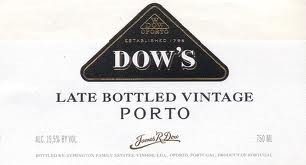
This wine comes from the same vineyards that, in a year when a Vintage is “declared”, produce a Vintage Port.  However, as they are bottled between the fourth and sixth year after the harvest, they mature more quickly and are ready to drink much sooner.  The 2005 Dow’s LBV has a deep, opaque purple-ruby colour, an elegant aromatic nose of ripe blackberry jam, black olive, menthol, licorice and black pepper spice.  Well rounded on the palate, Dow’s has a more traditionally drier texture with rich ripe blackberry fruit flavours, which leads to a long and lingering finish making it one of the finest LBV Ports available.  It can be enjoyed anytime and pairs wonderfully with chocolate desserts and hard cheeses like Wensleydale or mature Cheddar.
The Fonseca Bin 27 is an elegant and refined Port with crisp acidity and less sweetness than other Port producers.  It has a medium dark rubycolour, with aromas of blackberries, cassis, mint, fruitcake, brown sugar and a light peppery spice.  The ripe red fruit flavours are long and complex with a relatively dry finish in this sweet, fortified red.  Enjoy over the next 4 years.

The Quinta do Noval LBV 2004  is one LBV that tastes like a single Quinta Port.  Beautiful rich, dark colour with a spicy nose of blackberries, cassis, black cherries, menthol and licorice, the palate is a smooth and velvety mouthful of fresh black and red fruits with a firm tannic structure and a long juicy, hedonistic finish.  Bottled without filtration, this wine has plenty of depth, colour and richness of fruit and intensity of bouquet that other LBVs are lacking.  This is one serious LBV.

For a thirty year old wine, this is still quite darkly coloured although it is starting to show some sign of aging.  The 1980 Gould Campbell shows good aromas, with figs, toasty dark cassis and blackberry fruit and hints of menthol, smoke, leather and tobacco.  Gorgeously rich on the palate, the silky, creamily textured cornucopia of toasty black fruits, soft acidity and ripe, succulent yet still firm tannins make this a delight to drink.  This could still be cellared for another 10-15 years.

While the cost of this prohibits the opening of a bottle, suffice to say that the Dow’s Vintage 1970 is one of the most spectacular Ports currently available.  One of “the classic twelve” vintages of the past one hundred years, this is a wine that is just now beginning to show some maturity.  Major wine pundits from around the world have remarked that this wine is…. “youthful looking with a dark, vibrant purplish-ruby colour with enticing mint, licorice and raspberry fruit intertwined on the nose and palate.  The ’70 Dow is still on the upswing and the structure depicts that this VP will only continue its fine evolution and actually improve.”

Posted in Wine Columns | Tagged | Leave a comment

Wines for Christmas dinner

Chivite Gran Feudo Rosado 2010 $17

This has got to be one of the best Rose’s I’ve tried in awhile.  A beautiful dark salmon colour, the aromas are very intense with vibrant red cherry, plum and ripe strawberry aromas with hints of sweet red licorice, grapefruit, violets and orange blossoms.  The texture is soft, lush and juicy with the delicate fruit flavour of the better quality roses that can be found on the market.  Excellent as an aperitif, with simply appetizers or Christmas ham.

Velletri Centurio 2008 $13

A steal of a deal, this wine is produced from the native Cesanese (45%), Montepulciano (25%) and Merlot (30%), this is a fantastic wine chock full of characteristic aromas of sweet black cherries, black raspberries, figs, prunes, licorice, roasted meat, and baked earth with cedar and dried bay leaves. The palate is full and lush with flavours of creamy black cherry, raspberry-jam, chocolate pudding, leather, vanilla and spice. Serve with your favourite Italian meal, hopefully a big piece of something rich and flavourful. An undiscovered treasure, this is one of the best Italian reds on the market.

Herdade Paco do Conde $12

A blend of Aragonez (Tempranillo), Trincadeira, Alicante Bouschet (Garnacha Tintorera) and Cabernet Sauvignon, the wine displays a rich ruby colour with juicy aromas and flavours of red currant, black cherry, strawberry and leather.  The palate is soft and lush with juicy black and red fruit flavours and a medium finish.  A superb bargain and a great match with roast beef (including hamburgers), roast pork, poultry and vegetable stews.

Alamos Chardonnay 2010 $18

An aromatic wine showing fresh apple, grapefruit, white peach skin with hints of creamery butter, toast and vanilla.  An easy-drinking, introductory style of Chardonnay, the palate is full of fresh citrus and tropical fruit with honeydew melon and crisp, vibrant acidity on the finish.  Excellent with shellfish, grilled lobster, roast chicken.

Three Winds Grenache 2009 $19

Situated South East of Carcassonne in the Languedoc region of South West France, this delicious wine is loaded with youthful, fresh aromas of jammy black cherry, black raspberry, sweet licorice and creamy vanilla-scented oak with hints of baked earth, dried herbs and forest floor.  The soft, juicy black and red fruit flavours coats the palate with a lush, full-bodied texture followed by soft acidity, firm, lip-smacking tannins and a long, deep finish.  Excellent with a mild Manchego.

Viña Chocalán Syrah 2009 $17

From Chile, the Viña Chocalán Syrah offers up a deep purple-red wine with hints of violet followed by complex aromas of blackberry, crème de cassis, licorice and smoke with traces of dried herbs, vanilla and cream.  The palate is silky-smooth with rich fruity characteristics wrapped up with soft acidity and firm tannins on the deliciously long finish.  Dynamite wine!!  Buy a case and enjoy.

Viña Chocalán Cabernet Sauvignon 2010 $17

An intense, full-bodied Cabernet, the Viña Chocalán Cabernet Sauvignon exhibits concentrated aromas and flavours of blackberry, cassis, licorice, black olive, menthol and cigar box.  The soft acidity and firm tannins on the finish make this a wine that has some aging potential.  Ready to enjoy now for the sheer intensity or it can be cellared for another 1-2 years.  Excellent value and a perfect candidate for a Christmas Standing Rib roast.

Torre Mora Primitivo 2010 $15

This hot southern region used to produce high-alcohol wines with an over-ripe character of stewed prunes but modern winemaking methods have resulted in wines with good balance and intense flavours.  This one is full of juicy black cherry and blackberry aromas with violets, roses, plum/raspberry, toasty oak and chocolate.  Rich, soft and round with firm acidity and tannins, this is the quintessential Italian bargain wine.  Smashing wine, especially with pasta or pizza.

Falesco Est Est Est 2010 $18

This is a classic, dry crisp Italian white, made from a blend of 50% Trebbiano, 30% Malvasia and 20% Roscetto grown in various estate vineyards in Montefiascone, in the region of Lazio. It is a straw-gold coloured wine with aromas of white flower, pear, honeydew melon and pineapple.  A citrus flavour on the palate delivers complex characteristics of green apple, orange and hints of lemon-lime.  The palate is lively and full created by the excellent harmony of fruit and acid.  A light-bodied, with a long finish that reveals hints of citrus and almonds, it is best to be enjoyed with pasta primavera, or with grilled seafood.  This wine also has a very interesting story. Click here to read it.

Concha Y Toro Frontera Chardonnay 2010 $10.50

A delicious, well-made wine, the Frontera Chardonnay displays a brilliant straw-gold colour with aromas of peach, nectarine, pineapple, melon and citrus fruit.  The palate is medium bodied with a banana-cream texture, flavours of ripe tropical fruit, melon, spice, citrus and vanilla-scented oak.  With the soft acidity, a lush, juicy finish and the screwcap closure, this is the ultimate bargain white

Blue Mountain Brut $30

This is a house favourite of mine.  A blend of Pinot Noir, Chardonnay with a small percentage of Pinot Gris, it is a fantastic wine with delicate fine, soft bubbles fresh on the palate with mouth filling fruit flavour of apricots, pears and figs. With refreshing acidity and a long fruit-filled finish, this is perfect on its own or with salmon, prawns, spicy Thai rolls or goat cheese appetizers.

Sumac Ridge Stellar’s Jay 2007 $25

A perfect choice is the Sumac Ridge ‘Stellar’s Jay.   A combination of Pinot Noir, Pinot Blanc and Chardonnay and aged for a minimum of three years in the bottle, this delicious wine is full of baked apple, pear, and citrus with a hint of toast and bread dough. Soft and creamy on the palate with crisp acidity, it’s perfect as a celebratory drink with oysters or Ceviche.

Posted in Wine Columns | Tagged | Leave a comment

Top Ten Christmas Wines

  1. A great way to welcome guests to your home over the holidays is with a glass of bubbly.  The SYL Brut is a produced in the traditional style of sparkling wine, fermented in the bottle much like the wines of the Champagne district of France.  Made from 100% Chardonnay fruit with a splash of Riesling, the wine is aged in the bottle for three years thereby offering complex, multi-layered aromas of toasted bread, apple, grapefruit, pineapple and honeydew melon, pear and peach.  Fresh, lively, crisp and clean on the palate with toasted oak leading to creamy tropical and citrus fruit flavours with a citrus zestiness that leads to the racy finish.  Lots of depth and complexity in this wine, this is excellent with fresh oysters, smoked salmon, shellfish or simply enjoy on its own.
  2. The 2010 Gehringer Brothers Optimum Pinot Noir is a velvety, silky-smooth wine displaying ripe raspberry, cherry, strawberry and cassis fruit aromas with hints of sweet licorice, menthol, vanilla and new leather.  Delicate notes of red and black fruit, roses, violets, hints of vanilla and smoke balance a lush and rich texture.  Velvety soft acidity balanced by the medium tannins on the finish, this is a “drink-me-up” wine, not intended for aging.  Just invited some friends over and enjoy.  This is generous wine can stand up to a number of rich foods.  Try pairing it with salmon steaks or duck Confit with garlic-mashed potatoes.
  3. A spectacular wine, the 2006 Selbach-Oster Zeltinger Schlossberg Auslese Riesling is full of juicy peach, red apple and grapefruit with hints of mineral, honey and petrol. A classic Riesling in every sense of the word, this is one of the finest Rieslings on the market. Try pairing with spicy Thai or Indian fare. This wine has the potential age for 20 or 30 years. This is a great opportunity to give a rare, very special bottle of wine for Christmas to the wine aficionado in your family.
  4. The first time I had this wine was at proprietor Harry McWatters house in 1993 and I think it was the ’92 vintage.  We had spicy chicken wings, washed down with the Gewürzt and it was a magical paring.  The 2010 Sumac Ridge Private Reserve Gewürztraminer shows once again why it is one of the top selling Gewürztraminer’s in North America.  Loaded with aromas of intense orange rind, ripe grapefruit, nectarine, lychee and rose petal with green apple and candied ginger, the palate is soft and lush with nectarine, peach, honey and ginger with a crisp citrusy finish.  Perfect with turkey
  5. The 2010 Van Westen Vino Grigio is a 100% Pinot Gris displaying loads of green apple, pear, apricot, peach, nectarine, melon, fresh citrus and grapefruit characteristics. The palate is fresh and lively with crisp tropical and orchard fruit, spicy white pepper and crisp acidity.
  6. A classic Châteauneuf-du-Pape style blend of Grenache, Syrah and Carignan, the 2009 Domaine de L’Ameillaud Vin des Pays Vaucluse is, in one word, sensational.  Sourced from 30-year-old vines from the Vaucluse region of Provence, the strong, cherry-jam aroma of Grenache dominates with southern French flavours of cherries and plums, highlighted by cassis, spice and white pepper.  A round wine that starts with fresh fruit and finishes dry and smoky.  Look for soft acidity and firm, not heavy, tannins on the finish.  This wine is ready to drink now, it is a good match with a standing Rib Roast.
  7. The 2010 Poplar Grove Pinot Gris is a delicious, vibrant wine showcasing loads of lively tropical and orchard fruit aromas and flavours. Look for rich mango, pineapple, grapefruit, pear, and sweet apple with hints of white pepper, and creamy vanilla. Fermented all in stainless steel with no oak influence, it is dry with vibrant, crisp acidity, and a concentrated, rich, and smooth finish with great weight. Excellent wine to pair with creamy pasta sauces such as Alfredo or with grilled salmon.
  8. The 2010 Orofino Riesling is a great tasting Riesling, loaded with buckets of fresh green apple, lime, white peach, pear, nectarine with hints of honey, clover, orange and mango.  The palate and texture is lush and juicy with intense orchard and tropical fruit and an almost creamy mouth feel due to some lees contact.  The finish is tart and crisp making this a perfect wine to pair with spicy Asian dishes or Indian curries.  A small production of 220 cases, this will surely be one of the finer wines from the spectacular 2006 vintage.
  9. The 2007 St. Urbans-Hof Riesling is a delicious wine bursting with vibrant aromas of green apple, peach, pear, apricot, nectarine, and lime with hints of tropical pineapple and grapefruit. The palate is brimming with honeyed apple, peach, pear, with a soft, luscious texture and crisp acidity on the creamy, lingering finish. Very hard not to guzzle this wine it is so decadent it has got to be the best QBA that I have had in years. One of the best value Rieslings on the planet? You decide!!
  10. We’ve never been big chardonnay fans, mainly because they are always over-oak, telling me that the winery is hiding a faulty wine. But the 2009 Poplar Grove Chardonnay is spectacular. I’ve recommended this before but it’s so good it needs to be repeated. Loaded with rich aromas of buttery Fuji apple, pear, pineapple, with spicy white pepper and a lush creamy palate. The texture is rich and creamy with lots of tropical and orchard fruit flavours with spicy white pepper, nutmeg, vanilla and honey.  This is a rich style of Chardonnay, more in keeping with a premier cru Meursault without the $50 price tag.
Posted in Wine Columns | Tagged | Leave a comment

Northern Rhone Wine Region

Whenever the Rhone Valley is talked about as a wine region, the most obvious reference is to the area south of the city of Valence and the Drôme River, commonly called the Southern Rhône.  One of the reasons for this is that one of the most famous of all Rhône wines, Châteauneuf-du-Pape, is situated in the south.  However, there is a whole new world of stunning Rhône wines that are produced in the north.

While the southern Rhône basks in the warm, sometimes scorching heat of the Mediterranean, the Northern Rhône is characterized as being of a ‘continental climate’, meaning it is marked by very diverse weather changes that occur during the growing season, from very hot temperatures during the summer to very cold winters, somewhat like the Okanagan.

This fluctuating climate is influenced by the Mistral wind, a strong, cold and usually dry wind, which comes from the north or northwest, accelerating up to 90 km per hour as it passes down through the Rhône Valley.  The Mistral brings colder air from the Massif Central, the large range of mountains and plateaus in central France, which covers 15% of France.  The region is therefore cooler than southern Rhône, meaning that the mix of planted grape varieties and wine styles are slightly different.

Syrah is the only red grape variety permitted in this region.  It was thought that the grape originated from the Iranian city of Shiraz and was brought to southern France by a returning crusader, Gaspard de Stérimberg or by the Greeks, depending on which story you are reading.  It is also thought to have acquired its name from a story that the Romans brought the grape to the Rhone Valley from Syracuse, in Italy, during their occupation.

However, DNA profiling performed by Professor Carole Meredith at the University of California at Davis and Jean-Michel Boursiquot at the wine research facility at Montpellier, France in 1998, determined that Syrah is indigenous to the Rhone valley of France.  It is a natural cross of Dureza from the northern Ardèche region, west of the Rhone and Mondeuse Blanche, native to the Savoie region, to the east of the Rhone.

The vineyards of the northern Rhône have much in common with the Rhine valley in Germany and the Douro in Portugal.  It is a land of very steep slopes that are carved from granite and terraced, with the vines clinging to near vertical surfaces. The climate is also significant here. The rainfall is regular, the heat moderate and the risk of drought is less than elsewhere.

Starting in the north and traveling south, the first region is Côte-Rôtie, meaning literally ‘roasted slope’, referring to the long hours of sunlight that these steep slopes receive and is certainly one of the regions that are most representative of the Rhône Valley.  Here the wine is produced exclusively from the Syrah grape, renowned for its intense black pepper aromas.  The region covers about 500 acres and the best vineyards of the Côte-Rôtie, are situated on steep hillsides where the incline can reach up to 60º and are on a southeast and southwest facing.  Inside this are two famous production zones, Côte Brune and Côte Blonde, the former named for the dark coloured soil and the latter for the lighter coloured soil.  Legend has it that these areas were named after the daughters of a local feudal lord who were brunette and blond.

Côte Brune is generally the more tannic and fuller of the two while Côte Blonde is elegant and refined.  Despite the wines being produced from Syrah, a small amount, usually 5%, of Viognier is allowed.  Viognier adds an exotic aroma to Syrah and in some cases, smooths out the rustic character of the grape.

Condrieu (con-dree-ooo) is a region where the wine is made solely from the Viognier grape.  There are 300 acres under vine here and due to Viognier’s unpredictable nature, the yields in Condrieu are kept low and the grapes are carefully tended.  This in turn leads to low production and high quality, not to mention high prices.

At its best, Condrieu is heady and intense but it maintains balance with fresh acidity and sensible alcohol something New World Viognier tends to have a lot of.  Unlike many wines of the Rhône, Condrieu is best enjoyed young, within a few years of bottling.

Further south is the commune of Saint Joseph.  Larger than the previous regions, Saint-Joseph has less than 1500 acres under vine.  Red wine dominates here with 90% of the production coming from Syrah with the balance from the white grapes, Roussanne or Marsanne.  The styles of red wines are generally lighter than other areas but are delicate and perfumed.  The whites are also lighter than others.

Probably the most important region of the Northern Rhône and the one that garners all the praise is Hermitage (Ehr-me-tahj).  According to legend, the Knight Gaspard de Stérimberg, who is rumoured to have brought Syrah to the Rhône,  returned home in 1224 from the Albigensian Crusade and was given permission by the Queen of France to build a small refuge to recover in, where he remained living as a hermit (ermite in French).

This famous area takes its name from the hill of Hermitage above the town of Tain and like Cote-Rôtie, the best vineyards in Hermitage are exposed to the south.  The wines are historically regarded as the most “manly” of French wines as they are deep, richly coloured wines with an expression of violets, leather, blackberries and smoke.

With just 300 acres planted, the wines of Hermitage are produced from Syrah and are amongst the most long-lived wines in the world, developing very slowly and are capable of lasting up to 40 years in the bottle; sometimes surpass its American and Australian cousin, Shiraz.

The largest of the northern Rhône appellations, Crozes-Hermitage produces 10 times the volume of Hermitage and over half of Northern Rhône’s total production.  Like St-Joseph, the wines are softer and are for relatively early consumption, perhaps within a decade of the vintage, although some can certainly last much longer.  Mainly produced from Syrah which is sometimes blended with Roussanne or Marsanne, the region is known for the large amount of cooperative wine.  Cave de Tain, takes half of the grapes grown while another large producer, Jaboulet, takes a big part of the other half.

One of the most spectacular regions, in my humble opinion is Cornas, probably because all they produce is red wine using Syrah.  The name Cornas comes from the Celtic or Gaullic tribes and means “burnt earth”, and the first written sources mention the wine in the region as early as 885 AD.  Unlike other areas in the Northern Rhône, by law no white grapes are allowed to be added in Cornas.  The wines produced are intense and full flavoured and in excellent years, require numerous years of aging before they are ready to consume.  The prices are not cheap but relatively speaking, compared to wines from Bordeaux of the same class, Cornas is a steal.

Weekend Wines:

The 2006 Chapoutier Ermitage le Pavillon is very youthful with beautiful, vibrant purple/red colour, loaded with blackberry, black cherry, menthol, licorice, toasted bread, baked earth, roasted meat, soft velvety acidity and ultra firm tannins.  An ultimate wine experience.  Here’s what Parker has to say…“The inky/purple-hued 2006 exhibits a gorgeous perfume of crushed rocks, white flowers, crème de cassis, blackberries, graphite, and a subtle touch of oak. Exceptionally full-bodied, multilayered in concentration, extraordinarily pure, and long, this is a prodigious young Hermitage that should be at its finest between 2018-2050+.”

A Gold Medal winner at the 2011 British Columbia Wine Awards, the 2009 Church and State Coyote Bowl Syrah is spectacular with its classic Northern Rhone aromas of smoked meat, saddle leather, rich blackberry, cassis, black plum, roasted tomato, tobacco leaf and licorice with hints of menthol, olive, chocolate and roasted coffee. The juicy palate is full of rich blackberry, smoky/grilled sausage, black pepper spice with dried herbs and a long concentrated finish. Soft acidity and very firm tannins mark this as a wine to cellar for 6 months and enjoy over the next 5-8 years.

Posted in Wine Columns | Tagged | Leave a comment

Winter Reds

During the cooler winter months, the types of wine we buy tend to shift.  Gone is the crisp, mouth watering whites or the juicy reds that we enjoyed when the temperature was warmer.  When the weather is cooler, it gives me cause to search for some hearty reds to enjoy with the hearty, richer dishes.  Right now I am looking for some of fantastic wines of the southern Rhône from 2009.

A lot of consumers are not so seasonal when it comes to wine.  Some will enjoy white wine all year long, while others start a meal with white and finish with red.

The foods we eat in the colder months are very well suited to red wines.  Hearty dishes such as beef stew, braised lamb shanks, a rich meat sauce with pasta, and even roasted fall root vegetables, all these foods go well together with red wines.  During the winter, we welcome a warm oven emitting fragrant aromas throughout the house, making our mouths water.

Red wine is even good for you.  It contains antioxidants, most significantly ‘resveratrol’ from the seeds and skin of the grape, which have been linked to health benefits such as lowering cholesterol, protecting the heart and arteries, and preserving the skin.

When serving red wine, the temperature of the wine is quite often too warm.  The ambient room temperature – around 70ºC – can sometimes make the wine feel hot and heavy with the alcohol in the wine becoming quite pronounced.  In reality, the best temperature to serve red wine at is between 55º and 65º, quite a bit cooler than standard room temperature.  Putting the wine in the fridge for 10-15 minutes will bring the temperature down.  Clipping a wine thermometer onto the bottle will give you a somewhat accurate measurement of the temperature.

With Christmas fast approaching, it is time to think about some value wines to tide us over.  There is a huge supply of excellent wine on the market, with something for everyone’s tastes and budget.

Australia has fallen off in terms of popularity although there is still quality at just about all price points.  The 7% drop (LDB September 2010-2011 Annual Report) might be that consumers are tiring of the sweet, jammy style of wine, popularized by Yellow Tail and its imitators.

Argentina was one of the hottest countries in the wine marketplace in terms of sales.  Value for money, they were one of the best.  Consumers had discovered the Malbec grape that helped to drive sales up to the tune of 46% over a rolling 12 months as of the LDB’s September 2009 Quarterly Review.  However, that number has dropped to a dismal 18% as of the June 2011 Quarterly Review.  No doubt Malbec is starting to taste all the same at the lower price points.

BC wines are still the favourite of consumers if you look at the volume and dollars generated even though sales have slowed somewhat.  But that figure does not distinguish between 100% BC and the ubiquitous Cellared in Canada.  Are consumers revolting because of the growing price of our home-grown product? Or is it just the recession? Maybe…maybe not but there is still some value to be had.  You just have to know where to look.

There are great tasting and great value wines from Chile and the sales were reflected with a growth of 12% over the previous year (2008-2009 LDB Annual report).  But even those have fallen victim to the economic downturn.  Let’s hope that the Vancouver Playhouse International Wine Festival where Chile is this year’s featured country will stimulate some sales.

Sales of French have also fallen victim to the recent recession.  While the sales were never spectacular, they have been in the positive due in part to the fabulous value of the wines from their southern region.  Wines here are produced from regional varieties such as Syrah, Grenache, and Mourvèdre.

Spain has fallen over the past few years also.  However, being a world-class producer of wine offers history and tradition, which when combined with modern winemaking technology produces wines of unique character.  Sales are up a very respectable 15% over 2009-2010.  Value has always been a term associated with Spanish wines, however in recent years, major investments and developments have catapulted Spanish wines into their own in terms of quality.

Closer to home, Zinfandels from California are the perfect winter red, giving the right amount of weight and spice to warm you through and through.

So while you are cooking up some great lamb or beef stews, wonderful casseroles, slow roasted lamb shanks or a delicious, roasted boneless pork loin, consider searching for that perfect wine to match.  Great wintery food and hearty red wine just seem to go hand in hand.

Although most wines are ready to enjoy now, you will find with a few years of bottle age it will make a great difference, particularly with Cabernet Sauvignon.  Laying the wines down will allow them to develop and make for even better enjoyment next winter.

Winter Reds:

From the south of France, the 2005 Caves de Rasteau ‘Prestige’ Rasteau Cotes du Rhône Villages ($33) is a blend of 50% Grenache, 35% Syrah, 15% Mourvèdre from 50 year old head-pruned vines.  Incredibly dense with a ruby/purple colour, the intense black raspberry, cherry, cassis and kirsch liqueur-like fruit is followed by gorgeous aromas of licorice, smoke, incense, leather and a hint of oak. The texture on the palate is pure hedonism with its full-bodied character of black and red fruit, herbs, incense, and spice. This wine literally tastes more like a Châteauneuf du Pape ($60 per bottle) than a Cotes du Rhone Village. The finish is full-bodied, and opulent with soft, velvety acidity and very firm tannins, which is in keeping with this top-notch vintage. Cellar and drink this marvelous wine over the next decade.

First produced in 1954 the Wynns Black Label Cabernet Sauvignon has become a benchmark wine for followers of Coonawarra Cabernets.  Produced using only the winery’s top 25% of Cabernet fruit, the wine is an outstanding example of a fully ripened Coonawarra Cabernet Sauvignon, which avoids any of the dreaded herbaceous characters that can be evident in cooler vintages.  Matured for 19 months in a combination of new and seasoned French and new American oak, the 2005 Wynns Coonawarra Cabernet Sauvignon ($33) displays a vibrant purple-black colour, with a deep red rim, with aromas of blackberry, cassis, rich blueberry, eucalyptus along with hints of mocha and roasted coffee.  The palate takes you by surprise with its concentrated flavours of rich black fruit, followed by cedar and vanilla notes with a hint of spice.  The fine, rounded silky acidity and firm tannin develops into a luscious, prolonged finish; this is a wine that can be enjoyed in its youth, but also will reward patience.

Posted in Wine Columns | Tagged | Leave a comment

Great Value Wines

The opportunities to spend a pile of money on a bottle of wine are plentiful and nowhere is this more evident than in our own backyard where we are seeing the price of a bottle of BC wine reach $60 plus.  Nevertheless, with an international wine glut still happening, there is a tremendous opportunity to grab some great valued wines.  However, manoeuvring the array of bottles on a wine shop’s shelf can be a tricky business because the bargains stand shoulder to shoulder with the duds. 

When shopping for wine, plan to spend a little time looking over the choices and becoming familiar with the labels.  Some of the slickest labels hide shabby wines and some of the most unassuming presentations offer surprising delights.  One of the best ways to find a good wine is to ask the store staff their favourite wines and see if their choices match your palate. 

So, what makes a great valued wine?  Everyone has a different concept of this from the easy drinking $10 quaffer to sumptuous and rich $50-$75 wines.  However, the common perception is that the wine has to be cheap to be great value.  Winemaking technology has changed and a $10 wine now delivers a decent wine and the same holds true of the $50 wine.  Although the $50 wine may be expensive, it could very well deliver quality normally found in wines much more expensive, so both categories can be classified as great value.

But basically, you want to find a wine that pleases your palate and your pocketbook and will compliment the food you enjoy.

There are many different varietals from all over the world worth discovering.  Do not be afraid to try out an unfamiliar grape.

If you discover a bottle of wine that has a funny taste, do not feel shy about taking it back.  It may be corked, its taste affected by a faulty cork.  If it has been exposed to air or too warm of storage, it may be “oxidized” or “maderized”, showing a brown tinge and heavy, stale smell.  Retailers often find out about a problem with a shipment because a consumer takes the time to return wine.  You should get your money back with a smile.

However, a wine is not bad just because you do not like it.  In this type of situation, you should just chalk it up to wine education and move on.

Keep in mind when receiving recommendations from friends, wine magazines and even in this blog that wine is very subjective.  What I like may not be your cup-of-tea and visa-versa. 

Here are some of my choices for value wines.

This is a delicious, value-packed red.  The 2009 Terre di Giumara Nero d’Avola ($16) is inky black in colour, it is loaded with buckets of black cherry, raspberry, and blackcurrant aromas with a hint of smoke, licorice, baked earth, dried herbs and chocolate.  The palate is big and fat with powerful black and red fruit flavours, cocoa, spicy black pepper and a good grip of tannin on the finish.  An absolutely blockbuster texture, it has a veritable glass and teeth staining quality.  Allow this wine to breathe for an hour then enjoy with rich tomato sauces, roasted meats or hard cheeses. Could be cellared until the summer.  Buy a case before it’s gone!”

From the east coast of Italy in Abruzzo, the 2010 Tollo Montepulciano D’Abruzzo ($14/L) is a dark ruby red colour with rich, spicy black cherry, raspberry, black plum, chocolate, and tobacco leaf followed by smoke, prune, licorice and graphite.  The spicy oak dominates on the palate but blows off to reveal tasty chocolate and raspberry flavours.  The palate is velvety with soft acidity and ample but approachable tannins.  Great value in a litre size bottle.

California is not really known for value wines unless you’re drinking from one on the bulk, jug brands.  So value has another meaning here; not cheap, below $15 wines but great value for the price.  The 2009 Cameron Hughes Lot 212 Carneros Chardonnay ($24.90) is just such a wine.  The Lot 212 shows a light straw-gold colour with a green tinge, luscious aromas of citrusy lime, pineapple, mango and papaya. The palate is rich and full with gobs of luscious tropical and orchard fruit, honeysuckle, creamery butter and crisp spicy acidity.  The slight hint of nutmeg on the lush finish adds that little extra layer of complexity.  A fantastic example of Chardonnay for those who like the rich, buttery style.

The 2007 Herdade Paço do Conde ($12) is a blend of Aragonez (Tempranillo), Trincadeira, Alicante Bouschet (Garnacha Tintorera) and Cabernet Sauvignon. Displaying a rich ruby colour with juicy aromas and flavours of red currant, black cherry, strawberry and leather, the palate is soft and lush with juicy black and red fruit flavours and a medium finish.  A superb bargain and a great match with grilled beef (including hamburgers), roast pork, poultry and vegetable stews.  Exceptional bargains such as this do not come around very often and it is always best to grab as much as possible when they do.  A wine that is meant for immediate consumption, it can also be cellared for fall and winter enjoyment.

Produced in the heart of the Colchagua valley, the 2010 Estación Carménère ($14) has a brilliant ruby colour with aromas of blackberry, cassis, black liquorice, black cherry and chocolate liqueur. Flavours of blackberry, black currant, gobs of black liquorice and hints of cherry kirsch are on the palate with a ripe, pure mouth-filling texture that is absolutely delicious.  The finish exhibits soft acidity, smooth tannins on the finish. Enjoy with garlic-roasted lamb, spicy empanadas or fajitas or simply it on its own.

Posted in Wine Columns | Tagged | Leave a comment

Wines of Piedmont

Located on the borders of Switzerland and France, Piedmont produces a couple of Italy’s and of the world’s finest red wines, Barolo and Barbaresco. The chief grape variety here is Nebbiolo, which takes its name from the word “Nebbia” meaning fog. This is in reference to the fog that settles in Piedmont every fall just as the grapes are ripening. There are also other significant plantings of Barbera, Dolcetto and Muscat.  Muscat is the grape which is responsible for one of the world’s most popular sparkling wines, Asti Spumante and the superb dessert wine, Moscato D’Asti.

The two most famous wines from Piedmont, Barolo and Barbaresco, take their names from the small towns near Alba.  The area of production is almost adjacent to each other with Barolo covering 25,000+ acres in the towns of Barolo, Castiglione, Monteforte d’ Alba, Verduno, and Diano d’Alba.  The smaller area of Barbaresco to the northeast covers the towns of Barbaresco, Alba, Neive and Canelli. 

Of the two, Barolo is the more intense, slow to mature because of its pungency and masculinity.  It is big, muscular, brooding and unforgiving in its youth, high in alcohol and full of aromas of black fruit, dried herbs, tobacco and tar.  Barbaresco is always softer, more giving with sophistication and finesse, loaded with red fruit, cedar and violets.

The colours of both wines are a deep red with the Barolo being almost black at times eventually fading to a brownish mahogany colour with age.  The production techniques for both wines are similar except for Barolo, which is allowed to age in Slovenian oak barrels for at least 3 years, two of which must be in wood.  To qualify as a Riserva, the aging must increase to 5 years.

For a wine to be labelled as Barbaresco the aging is reduced to 2 years, one of which must be in wood and to qualify as a Riserva, the wine must age for 4 years.  It is during this time in the barrel that the wines shed the harshness of youth and begin the journey to becoming the majestic wines that they are.

Barolo is not known as “the wine of Kings, the King of wines” for nothing.  There was a time when tasting the new releases from Barolo and Barbaresco was the wine tasting equivalent to engaging in deadly battle. The intensity and aggressiveness of the wines were enough to defeat even the most seasoned palate and required numerous years of aging to tame the wine.  These were not meant for everyone but a Barolo or Barbaresco with considerable age to them is a pleasure to behold.

Barbera and Dolcetto, the other two red varieties from Piedmont, were until recently, traditionally made in a lighter, easy-drinking style. Now there is an emphasis on producing wines with concentration and depth to rival Barolo and Barbaresco. The key to achieve this is greater ripening, attained by planting the grape in choicer sites and aging in French oak instead of the traditional Slovenian.

Barbera makes dark wines that are low in tannins and the use of new French oak lends tannins of its own, giving this newer style of Barbera the balanced structure it needs to support the added richness.  The combination of acidity and tannins also makes these Barbera much more age-worthy than their predecessors.  Many of the wines made in this newer style are reminiscent of premium Zinfandel: dark fruits and creamy chocolate flavours with gentle tannins.

The unsung hero of Piedmont, Dolcetto is not as complex or as rich as Barolo but it is a reasonably priced, delicious wine made by almost all of the great producers of the area.  Typically, the colour is a deep purple to ruby red, a result of lengthy exposure to the skins, with a very intense aroma of dark fruits and sometimes a hint of almond in the bouquet.  The tannins are relatively high but soft and well integrated, giving the wine a velvety texture.  While the wine is lower in acidity than its regional counterparts (Barbera and Nebbiolo), it has great fruit to balance the typically higher levels of alcohol.  The finish usually has a delicious, if slightly bitter, aftertaste similar to that of a bitter cocoa. 

The most important thing to know about Dolcetto is that it is made to complement Northern Italian cuisine and while it is not easy to find in retail stores, there is usually at least one Dolcetto on the wine list of most Italian restaurants.  Since it does have a unique flavour, not everyone will like it but the next time you have Italian food, try a Dolcetto and you might just find your new favourite Italian wine.

The other well-known Piedmontese wines are Asti Spumante and Moscato D‘Asti.  Asti Spumante is a sweet, slightly flowery sparkling wine produced from Moscato Bianco and with its very low alcohol, large amount of sugar and its fresh supply of bubbles, it’s the perfect partner for a simply celebration. 

Moscato D’Asti is also produced from Moscato Bianco and these wines are always low in alcohol (5.5% maximum), remarkably fruity and fragrant and just sweet enough that some consider them a lovely wine as either an aperitif or a dessert wine. Delicate, light on the palate and with just the hint of musky aromas, some even consider Moscato D’Asti as the perfect wine with breakfast.

As Julia Child would say if she were in Italy, Buon Appetito.

In Vino Veritas

Wine Picks:

The 2006 Vietti Barolo Castiglione ($99.90) is a ripe cherry red colour, opening up to a complex, multi-dimensional wine showcasing black cherry, strawberry, plum, mineral, menthol, licorice, rose petals and violets with hints of tobacco, spice, roast nuts and leather.  The palate is rich and full-bodied, showing fairly fresh tannins.  Very intense on the finish with lots of fruit flavour, this still has another 15-20 years of aging potential.

A very impressive Nebbiolo, the 2007 Vietti Perbacco ($45.90) exhibits a luscious fragrance of red currants, cassis, black cherry, smoke, licorice, leather, tar, rose petals and mint with a velvet-like, gorgeously structured palate of soft tannins and chewy fruit. This wine could pass for a mini-Barolo at half the price. Full bodied, ripe, sweet black fruit on the harmonious finish. Absolutely decadent!!!

The 2008 Poggio Arduini Barbera D’Asti ($14.90) is a deep, dense Barbera packed with jammy dark fruit.  The wine shows excellent balance in the firm style that is typical for the wines of Asti.  Dark, brooding notes of smoke and tar add further complexity on the close. Has enough stuffing to cellar for another 2-3 years.

An outstanding Barbera, the 2009 Fontanafredda Briccotondo Barbera d’Alba ($25.90) offers superb black cherry fruit mixed with hints of leather, tobacco, spice, roasted tomato skins, fresh almonds, chocolate and earthy notes.  A wine of extravagant richness as well as a complexity, it almost Medoc-like with the scent of lead pencil shavings.  A spicy, dense, fruity Barbera that can be drunk over the next decade.

Posted in Wine Columns | Tagged | Leave a comment

Wines of Southern France

Stretching from the northeast border of Spain along the Mediterranean to Cannes and Nice to the Italian border, the diverse viticultural area of the south of France produces some of the tastiest and least inexpensive wines in France. Totalling around 1.2 million acres, by comparison BC has about 9100 acres.

Known colloquially as “le Midi”, it is a defined geographical area consisting of the regions of France that border the Atlantic Ocean south of the Gironde River, Spain, the Mediterranean and Italy.

On the eastern end of this huge region is Provence. The oldest viticultural region in France, it is thought that winemaking has existed in this beautiful area of southern France since about 600 BC. Named by the Romans because it was their first province outside of Italy, the region has never been known for fine wine but it is undergoing an upgrading process.

Grape varieties grown here are not the traditional ones such as Cabernet, Merlot, or Chardonnay although there are some plantings of these grapes. Instead, this region is dominated by varieties such as Grenache, Carignan, Syrah, Mourvèdre, and Cinsault for the reds and Marsanne, Roussanne and Viognier for the whites. These are the same varieties that one might find in the more expensive Châteauneuf-du-Pape wines.

The Domaine Houchart Côtes du Provence Rose ($17) showcases ripe cherry, strawberry, raspberry aromas with subtle hints of pineapple, pink grapefruit and spicy ginger, the palate is loaded with fresh berry and tropical fruit flavours and a lip-smacking tang on the finish. Very clean and crisp, this is best served well chilled with simple appetizers or maybe a baked ham.

Costières de Nîmes is an AOC for wines that are produced in an area between the ancient city of Nîmes and the western Rhône delta, in the French department of the Gard. Formerly part of the Languedoc region of France, as the wines more resemble those of the Rhone Valley in character than of the Languedoc, it is now part of the Rhone wine area and administered by the Rhône Wine Committee, which has its headquarters in Avignon.

A fantastic wine from the Costières de Nîmes, the Mas de Guiot Syrah-Grenache ($13) is a chunky, full-bodied mix of 60% Syrah and 40% Grenache. The palate has lots of rich cassis, blackberry, plum and cherry flavours with black olive, smoked meat, licorice, vanilla, caramel, hints of dried herbs and earth that blend in nicely with the kirsch-influenced Grenache notes. The finish is lush with soft acidity and very firm although not aggressive tannins. Excellent to enjoy now, this wine will benefit with another 6-12 months of aging and can be cellared.

Côtes du Rhône is an AOC that covers both the northern and southern regions of the Rhône Valley. Although typically it is only used if the wine does not qualify for an appellation that can command a higher price, almost all Côtes du Rhône AOC is produced in the southern Rhône since the northern region is covered by many well-known appellations and also is much smaller in terms of total vineyard surface.

A classic Rhone blend of 75% Grenache & 25% Syrah, the Louis Bernard Côtes du Rhône-Villages ($14) is a huge wine for the price. In order to obtain the high-quality grapes needed to make exceptional wines, Louis Bernard holds long-term contracts with about fifteen growers. Loaded with fragrant aromas of sweet raspberry, kirsch, strawberries, spice box, leather and smoke, the palate is well structured with its rich flavours of black and red fruits, spice, garrigue, soft acidity and firm tannins. This is not a fruit bomb but an elegant, refined wine. Fantastic to enjoy now for the sheer pleasure of it but will reward with 2-3 years of cellaring.

Gigondas is a small AOC in the southern Rhône region of France. It is primarily a red wine region with a small amount of rosé wine produced. Being a little brother of Châteauneuf-du-Pape, the wine is becoming quite prestigious and can yield beautiful results when treated with care.

The remarkable Chateau de St-Cosme is one of the most sought after Southern Rhone estates and the Chateau St. Cosme Gigondas ($43) is a perfect example of this stellar reputation. Composed of 70% Grenache, 20% Syrah, and 5% Cinsault, the wine exhibits buckets of smoke, tar, cassis, blackberry, black cherry jam, licorice, garrigue, dried herbs and peppery five spice aromas and flavours. The texture on the palate is full and lush with rich black fruit, smoke, spice, soft acidity, and firm tannins. This is one wine that will cellar for another 10-15 years. Stunning.

Vin des Pays (country wine) is a controlled class of wines made in various regions of France. They are produced using certain grapes and methods of production which are specified by the Ministry of Agriculture. The greatest producer of Vin des Pays is the Languedoc-Roussillon region.

Long been ignored as a quality wine region and in a world of upwardly spiralling wine prices, there are outstanding wines that are generally priced less than $30 per bottle. However, consumers are slowly discovering this hidden oasis. This is the new frontier of French winemaking where many of France’s younger generation of winemakers are flocking to because of the availability of inexpensive land.

A fantastic value Vin des Pays, the Three Winds Syrah ($14) boasts a rich dark purple, almost black colour with ripe fruit aromas of blackberry, jammy raspberry, blueberry, and cherry with hints of roasted red pepper, smoked bacon, leather, sweet licorice, sage, menthol and tobacco leaf. The palate is full of juicy red and black fruit flavour, with spicy pepperiness, grilled sausage, licorice, great weight and a long spicy finish. Somewhat tight, the wine reveals all its hidden secrets with 30 minutes of decanting. Lots of complexity in a wine at this price point.

Located east of Avignon and Chateauneuf-du-Pape is the area of Cotes du Ventoux, home to some of the tastiest wines of the southern Rhône. There are over 1300 vineyards here, packed into 18,000 acres, and producing over 3 million litres of wine. The grapes grown here are a mix of Grenache, syrah, Cinsault, Mourvèdre, Carignan, Bourboulenc, Grenache Blanc, Clairette, Roussanne.

The La Vieille Fermi Côtes du Ventoux Rouge ($14), a blend of Grenache, Syrah, Mourvèdre and Carignan, is full of cassis/cherry/blackberry fruit aromas with hints of pepper, licorice, chocolate and baked earth. Soft, round and supple on the palate with an elegant scent of rose petals, there is a refreshing burst of red and black fruit on the juicy/fleshy long finish. A great discovery for its flavour and character, a well-balanced wine at this price point, this wine is ready to enjoy now.

By far the largest vineyard area in France, if not the world, is the Languedoc-Roussillon region, which begins, viticultural speaking, where the Rhone valley and Provence leaves off, and sweeps westward toward the Spanish border. Almost 35% of France’s vines are located here but surprisingly accounts for only 15% of the nation’s total AOC wine production.

An excellent value red, the Domaine de La Bastide ($10) is from the Hérault district of the Corbières in the Languedoc region and is a blend of the traditional Languedoc varietals Grenache and Syrah with a little bit of Merlot. Loaded with aromas and flavours of blackberry and raspberry jam, plum, licorice, smoke, menthol, Asian spice with hints of candied cherries, dried figs and prunes. Rich and round on the palate with a velvety texture and full tannins not usually found in a wine at this price point, this is an elegant and refined wine worth much more than its sticker price. Buy a case and invite the neighbours.

Posted in Wine Columns | Tagged | Leave a comment

Grenache (Gren-ash)

“You’re a member of the ‘Rhône Ranger’ band.  Your groupies think you’re ‘hot’, even when you’re boozy and “strung out”.  You’re hairy, yet they want you, and you’re always a willing partner.  Is it your Spanish heritage that makes them crazy?  Perhaps, but really it’s because you have a rather sweet personality.  Grenache, you’re the most famous backup guitarist, playing a lightly tannic beat in some of the better groups”.

While this little ditty may seem somewhat nonsensical, it does state the problem associated with Grenache or Garnacha as it is called in Spain.  The most-widely planted red grape in the world, much of it grown on the vast central plain of La Mancha in Spain, it is a late ripening variety ideally grown in regions that have a long growing season with hot, dry conditions.

It is a hairy-leafed grapevine which produces fruit that has a naturally high sugar content thereby producing wines with high alcohol but by and large lacks some of the necessary acid, tannin and colour so it is usually blended with other varieties and herein lays one of the problems.  In a wine world were single varieties are dominating wine labels Grenache rarely appears by itself.

Although it is occasionally produced as a 100% varietal wine, particularly from old vine plantings in Spain’s north-eastern region, Australia and in California, it is, on the whole, used to “fill out” red blends and soften harsher partners, such as Syrah and Carignan.  Generally Grenache makes fleshy, heady, very fruity wines best consumed in their youth because they tend to age rapidly, showing tawny colours and are prone to oxidation or maderization after only a relatively short time in bottle. 

Grenache may have originated in Spain, probably in the northeast region of Aragón but has since spread over the Pyrenees into southern France and throughout the rest of the Mediterranean.  In Sardinia, which has claimed that the variety originated there, it is called Cannonau.  This statement could imply that it is really from Sardinia and was imported to Spain when Sardinia was under Aragón rule during the late 13th to 15th century.

In the south of France, it is the prevailing variety in most Southern Rhône wines, especially in Châteauneuf-du-Pape where it can comprise over 80% of the blend.  In Australia it is usually blended into “GSM” blends with Syrah and Mourvèdre.

The epidemic, phylloxera, which devastated the vineyards of Europe in the late 19th century, indirectly increased the plantings of Grenache.  In Rioja for example, vineyards were replanted not with the native varietals that were destroyed but with the hardy, easy to graft Grenache.  A similar trend occurred in southern France, as the percentage of Grenache plantings increased significantly after phylloxera, replacing the previously abundant Mourvèdre.

In the south of France, the plantings of Grenache have reached almost 200,000 acres making it the third most planted variety after Carignan and Ugni Blanc.  These plantings are divided between two groups, the Provençal group, which are in the eastern regions , which includes the départements of Vaucluse, Drôme, Var and Bouches-du-Rhône; and the Languedoc group in the west which includes the départements of Gard, Pyrénées-Orientales, Hérault, Aude and Ardeche.

In the new world, Grenache is picking up steam with successful plantings in Australia, California and even some trial plantings here in BC.

Australia has extensive plantings of Grenache, some going back over 100 years and has been very successful making full-bodied 100% varietal and Grenache-dominated red blends.  However, while it has a long history in Australia, it is only over the past decade or so that the variety has started to receive the recognition that it deserves.

In California, it was the third most planted variety after Zinfandel and Cabernet Sauvignon until it was surpassed by Merlot.  Traditionally, it was mostly planted in the warm Central Valley, intended to produce fruity, quaffable reds and pinks, but with the emergence of Rhône blends, enthusiastically promoted by a band of winemakers known as the ‘Rhone Rangers’, it has begun an increase in plantings in some of the better-known California viticultural zones.

In BC, the grape is so new that there are only about 4½ acres planted and there has not been any wine produced yet.

Weekend Wine Picks:

This week, the focus is on wines that are 100% Grenache or Garnacha and those that co-exist with Grenache to produce outstanding wines.

Produced from new 5-15 year-old and 70-90 year-old Grenache vines, the stunning 2009 Artazuri ($22.90) is the finest Spanish red I have had in awhile.  100% fermented in stainless steel open top tank fermenters then transferred into fine grain, 225 and 300L second- and third-year French oak barrels with a light-medium toast for a total of 4-6 months. I love the rich, intense aromas of blackberry, cassis, black raspberry and black cherry fruit with sweet licorice, cedar, chocolate, menthol, super, velvety soft acidity and firm tannins.  This wine is a mouth-coating, teeth-staining red with an incredibly long finish.  It does not get any better than this. 

From the south of France, the 2009 Mon Ami Rouge Vins des Pays ($14) is a classic blend of the Châteauneuf-du-Pape varieties Grenache, Syrah and Mourvèdre, albeit a softer, more approachable style than a CDP.  Loaded with soft blackberry, cherry, raspberry and strawberry fruit with hints of licorice, menthol, dried herbs and cream, the aromas carry over to the palate.  Surprisingly dry with just enough structure to make it “easy drinking,” try this wine with rabbit or chicken chasseur, slow-braised beef ribs or lamb stew with thyme.  Definitely one for the BBQ, it is best if you to invite your friends.

Posted in Wine Columns | Tagged | Leave a comment

Syrah/Shiraz

“What’s in a name?  That which we call a Syrah/Shiraz by any other name would smell as sweet”.

With apologies to William Shakespeare for destroying his much-revered quote from Romeo and Juliet, Syrah/Shiraz has caused some confusion over the past few years.  Numerous myths and legends have existed about its origin and the differences between the two.

First off, they are the same variety.  It was thought that the name came from the legend that the grape originally came from the Iranian city of Shiraz, which was brought to southern France by a returning crusader, Guy De’Sterimberg or by the Greeks, depending on which story you are reading.  It is also thought to have acquired its name from a story that the Romans brought the grape to the Rhône Valley from Syracuse, in Italy, during their occupation.

However, DNA profiling performed by Professor Carole Meredith at the University of California at Davis and Jean-Michel Boursiquot at the wine research facility at Montpellier, France in 1998, determined that Syrah is indigenous to the Rhône valley of France.  It is a natural cross of Dureza from the northern Ardeche region, west of the Rhône valley and Mondeuse Blanche, native to the Savoie region, to the east of the Rhône.  How this love-match came to be is anyone’s guess but it is known that the grape was growing around the time of the Roman occupation in the 1st century AD.  From France, the vine found its way to Australia courtesy of James Busby who, after studying viticulture in France, took 437 vine cuttings with him to Australia in 1831.

In Australia, it is the most widely planted grape, typically representing 40% of the red grape crush and one-fifth of total grape production and there are distinctive styles of Shiraz that have emerged.  It can be made into a wide range, defined by the terroir of the region and the winemakers’ artistry, from the elegant, peppery cool climate styles (Heathcote in Victoria) to more intensely flavoured spicy styles of Coonawarra and Margaret River to powerful and minty (Clare Valley), sweet and chocolaty (McLaren Vale), muscular, and ripe-fruited (Barossa), and leathery and rich (Hunter Valley).  In an attempt to allow regional characters to be expressed, many winemakers are moving away from 100% new American oak, preferring the use of older barrels and/or French oak.  The result is an abundance of new styles with finesse and complexity.

Recognized as Shiraz mainly in Australia, some Shiraz’s are also produced in California.  A relative newcomer to California, vine cuttings were brought to California only in 1936 by Dr. Harold P. Olmo of the University of California, Davis.  However, it has only been in the last decade that the U.S. has gone ga-ga for Syrah/Shiraz.

Syrah, on the other hand, is known for the big, muscular wines of the northern Rhone and as one of the varieties for the production of Châteauneuf-du-Pape.  In the northern Rhone, they are not categorized as Syrah but are labelled as Hermitage, Crozes-Hermitage, and Cote Rôtie.  Here the grape produces wines that are raspberry and blackcurrant-scented with hints of cherry, smoke, and roasted meat.  In the southern Rhone, it is used as blending material where it provides the necessary colour and fragrance.

To further confuse matters, there is a variety called Petite Sirah that is actually cross-pollination with a French grape called Durif and a variety called Peloursin.  This grape was developed by a Dr. Durif around 1880, in his experimental vineyard at the University of Montpellier in southern France.

Whichever style you favour, there is no denying the fact this grape is still very popular.  If you have not tried either style yet, get down to your local bottle shop, pick up a few, and have a Syrah-Shiraz party.  That is what wine is for…enjoyment with family and friends.

In Vino Veritas

Wine Picks:

An incredible wine at a terrific price, the 2006 Heathcote Estate Shiraz 2006 (was $52.00, now $40.00) sources fruit from vines grown in the Cambrian loam soils of Heathcote, Victoria. This is an opaque black crimson colour with aromas of violets, vanilla, spice and blackcurrants, followed by hints of truffles. The palate has great definition, depth and concentration of blackberry, plum, earth, spice and truffle flavours with a fine-grained tannin structure, excellent balance, followed by a long, intense aftertaste of blackberry, spice and licorice.

A Gold Medal winner at the 2011 British Columbia Wine Awards, the 2009 Church and State Coyote Bowl Syrah ($29.90) is spectacular with its classic Northern Rhone aromas of smoked meat, saddle leather, rich blackberry, cassis, black plum, roasted tomato, tobacco leaf and licorice with hints of menthol, olive, chocolate and roasted coffee. The juicy palate is full of rich blackberry, smoky/grilled sausage, black pepper spice with dried herbs and a long concentrated finish. Soft acidity and very firm tannins mark this as a wine to cellar for 6 months and enjoy over the next 5 years.

Posted in Wine Columns | Tagged | Leave a comment